Barcode Labels: Improving Inventory & Logistics Efficiency
In today’s fast-moving supply chain and logistics ecosystem, accuracy and speed are essential for business success. Barcode labels have become a fundamental component of modern inventory and logistics management, enabling companies to track products efficiently, minimize errors, and streamline operations.
From warehouses and manufacturing facilities to retail distribution centers, barcode labeling systems help businesses maintain real-time visibility and operational control across the entire supply chain.
What Are Barcode Labels?
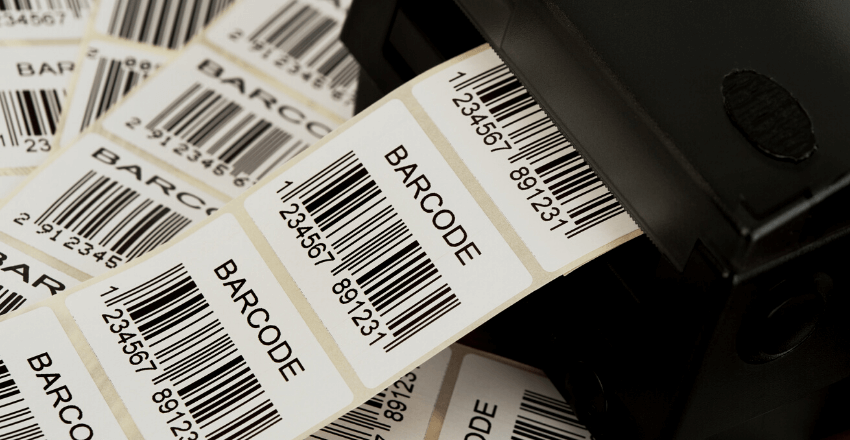
Barcode labels are machine-readable labels that store product or asset information in the form of printed codes. These codes can be scanned using barcode readers or mobile devices to instantly retrieve data such as product details, pricing, batch numbers, and shipment information.
By replacing manual data entry, barcode labels significantly reduce human errors and improve workflow efficiency.
Enhancing Inventory Accuracy
Manual inventory tracking often leads to counting mistakes, misplaced products, and stock inconsistencies. Barcode labels automate inventory management by allowing quick and accurate product scanning.
Businesses can instantly update stock levels, monitor product movement, and maintain accurate inventory records—helping prevent overstocking or stock shortages.
Faster Warehouse Operations
Barcode systems speed up warehouse activities such as receiving, picking, packing, and shipping. Employees can scan items instead of manually recording information, reducing processing time and operational delays.
This improves order fulfillment speed while ensuring accuracy in product handling and dispatch operations.
Improved Logistics & Shipment Tracking
In logistics operations, barcode labels provide end-to-end shipment visibility. Each package can be tracked throughout transportation, distribution, and delivery stages.
Real-time tracking minimizes shipment errors, improves delivery accuracy, and enhances coordination between suppliers, warehouses, and customers.
Reducing Operational Costs
Efficient barcode labeling helps businesses lower operational expenses by minimizing manual labor, reducing product loss, and preventing shipping mistakes.
Automation improves productivity while decreasing costly returns caused by incorrect shipments or inventory mismatches.
Supporting Compliance & Traceability
Industries such as pharmaceuticals, food manufacturing, retail, and electronics require strict traceability standards. Barcode labels help maintain batch tracking, expiration dates, and product identification records.
This ensures regulatory compliance and enables faster product recalls when necessary.
Scalable Solution for Growing Businesses
Barcode labeling systems easily scale with business growth. Whether managing a small warehouse or a large distribution network, barcode solutions adapt to increasing inventory volumes without disrupting operations.
They integrate seamlessly with ERP systems, warehouse management software, and retail platforms for centralized control.
Conclusion
Barcode labels play a vital role in improving inventory accuracy and logistics efficiency across modern businesses. By enabling automation, real-time tracking, and error-free operations, barcode labeling solutions help organizations optimize supply chain performance and enhance customer satisfaction.
Investing in high-quality barcode labels ensures smoother workflows, faster deliveries, and better operational visibility in competitive markets.