Why Durable Industrial Labels Matter in Manufacturing
In modern manufacturing environments, labeling plays a critical role far beyond simple product identification. Industrial labels serve as essential tools for safety compliance, inventory management, asset tracking, and operational efficiency. Durable industrial labels ensure that important information remains readable and intact even under harsh working conditions.
From heavy machinery to chemical containers and warehouse storage systems, manufacturers rely on high-performance labeling solutions to maintain smooth production workflows and regulatory compliance.
The Role of Industrial Labels in Manufacturing
Industrial facilities operate in demanding environments involving heat, moisture, chemicals, abrasion, and continuous handling. Standard labels often fade, peel, or become unreadable under such conditions, leading to operational risks and costly errors.
Durable industrial labels are specifically engineered to withstand these challenges while maintaining clarity and adhesion over long periods. They help manufacturers ensure accurate identification of equipment, products, and safety instructions throughout the production lifecycle.
Improving Workplace Safety & Compliance
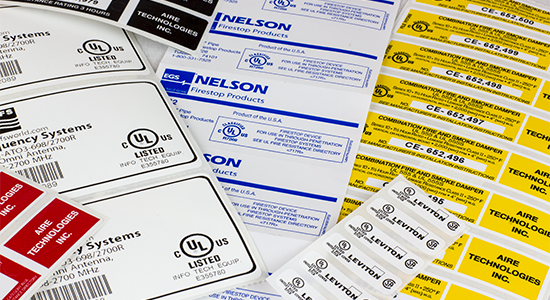
Safety is one of the most important reasons durable labels are essential in manufacturing. Warning signs, hazard instructions, and operational guidelines must remain visible at all times.
High-quality industrial labels resist fading and damage, ensuring workers can easily read safety information. This helps companies comply with industry regulations while minimizing workplace accidents caused by missing or unreadable instructions.
Supporting Efficient Asset & Inventory Management
Manufacturing facilities manage thousands of components, tools, and finished products daily. Durable barcode and identification labels enable accurate tracking across production lines, warehouses, and distribution networks.
Reliable labeling reduces human error, improves inventory visibility, and streamlines logistics operations—resulting in better productivity and reduced operational downtime.
Withstanding Harsh Industrial Conditions
Industrial labels are exposed to extreme environments such as:
- High temperatures and heat exposure
- Oil, chemicals, and solvents
- Moisture and humidity
- Outdoor weather conditions
- Friction and mechanical handling
Durable materials like polyester, polypropylene, and metalized films ensure labels remain intact without peeling or smudging, even in challenging manufacturing setups.
Enhancing Equipment Maintenance & Traceability
Proper labeling allows maintenance teams to quickly identify machinery specifications, service schedules, and operational instructions. Long-lasting labels improve traceability by maintaining serial numbers, batch details, and compliance data over time.
This ensures faster troubleshooting, preventive maintenance, and improved equipment lifecycle management.
Protecting Brand Reputation
For manufacturers supplying products globally, clear and durable labeling reflects professionalism and quality assurance. Damaged or unreadable labels can create compliance issues, shipment delays, or customer dissatisfaction.
Investing in durable industrial labels helps maintain consistent branding, accurate product information, and customer trust across supply chains.
Conclusion
Durable industrial labels are not just accessories—they are a vital component of manufacturing operations. From safety compliance and asset tracking to product identification and logistics efficiency, high-performance labels ensure reliability in demanding environments.
Manufacturers that invest in durable labeling solutions benefit from improved operational efficiency, reduced risks, and long-term cost savings while maintaining industry standards and workplace safety.